We Make Everything.
But Nothing That Speaks of Us.
We Make Everything.
But Nothing That Speaks of Us.
We Make Everything.
But Nothing That Speaks of Us.
We Make Everything.
But Nothing That Speaks of Us.
Jessica Yan Chen
Jessica Yan Chen
Jessica Yan Chen
2025/12
2025/12
2025/12
1
The Silence
I've been asking a question to friends, colleagues, and mentors, both in China and abroad:
"What is your perception of Chinese design?"
The answer is almost always a polite, awkward silence.
After a few moments, some will offer a few words. "Rapid." "Trendy." "Mass-produced." "Affordable." None of these words get to the heart of an identity. None of them suggest a distinct cultural voice.
This silence bothers me. As an industrial designer, I was trained in the ideals of universal design. For years, I believed this meant creating things that were not only functionally intuitive and accessible to everyone, but also spoke a universal visual language: clean lines, simple forms, an aesthetic that could belong anywhere, and therefore, to everyone.
But after years of practicing, observing, and reading, something became clear. Design isn't just a way to solve a problem; it's a way to show how your cultural background shapes your thinking. It's the 'why' behind the 'what.' It’s not just about designing a better, more ergonomic kettle; it's about understanding the cultural ritual and context of gathering for tea that informs the kettle's design in the first place.
When I look back at China, the country I grew up in, I see a profound disconnect.
I think of the streets of Beijing where I grew up. It’s a beautiful, controlled chaos. A river of delivery scooters, neon signs flickering in the afternoon haze, the smell of street food, the sound of a thousand conversations happening at once. It’s loud, it’s alive, and it’s anything but minimalist.
1
The Silence
I've been asking a question to friends, colleagues, and mentors, both in China and abroad:
"What is your perception of Chinese design?"
The answer is almost always a polite, awkward silence.
After a few moments, some will offer a few words. "Rapid." "Trendy." "Mass-produced." "Affordable." None of these words get to the heart of an identity. None of them suggest a distinct cultural voice.
This silence bothers me. As an industrial designer, I was trained in the ideals of universal design. For years, I believed this meant creating things that were not only functionally intuitive and accessible to everyone, but also spoke a universal visual language: clean lines, simple forms, an aesthetic that could belong anywhere, and therefore, to everyone.
But after years of practicing, observing, and reading, something became clear. Design isn't just a way to solve a problem; it's a way to show how your cultural background shapes your thinking. It's the 'why' behind the 'what.' It’s not just about designing a better, more ergonomic kettle; it's about understanding the cultural ritual and context of gathering for tea that informs the kettle's design in the first place.
When I look back at China, the country I grew up in, I see a profound disconnect.
I think of the streets of Beijing where I grew up. It’s a beautiful, controlled chaos. A river of delivery scooters, neon signs flickering in the afternoon haze, the smell of street food, the sound of a thousand conversations happening at once. It’s loud, it’s alive, and it’s anything but minimalist.
1
The Silence
I've been asking a question to friends, colleagues, and mentors, both in China and abroad:
"What is your perception of Chinese design?"
The answer is almost always a polite, awkward silence.
After a few moments, some will offer a few words. "Rapid." "Trendy." "Mass-produced." "Affordable." None of these words get to the heart of an identity. None of them suggest a distinct cultural voice.
This silence bothers me. As an industrial designer, I was trained in the ideals of universal design. For years, I believed this meant creating things that were not only functionally intuitive and accessible to everyone, but also spoke a universal visual language: clean lines, simple forms, an aesthetic that could belong anywhere, and therefore, to everyone.
But after years of practicing, observing, and reading, something became clear. Design isn't just a way to solve a problem; it's a way to show how your cultural background shapes your thinking. It's the 'why' behind the 'what.' It’s not just about designing a better, more ergonomic kettle; it's about understanding the cultural ritual and context of gathering for tea that informs the kettle's design in the first place.
When I look back at China, the country I grew up in, I see a profound disconnect.
I think of the streets of Beijing where I grew up. It’s a beautiful, controlled chaos. A river of delivery scooters, neon signs flickering in the afternoon haze, the smell of street food, the sound of a thousand conversations happening at once. It’s loud, it’s alive, and it’s anything but minimalist.
1
The Silence
I've been asking a question to friends, colleagues, and mentors, both in China and abroad:
"What is your perception of Chinese design?"
The answer is almost always a polite, awkward silence.
After a few moments, some will offer a few words. "Rapid." "Trendy." "Mass-produced." "Affordable." None of these words get to the heart of an identity. None of them suggest a distinct cultural voice.
This silence bothers me. As an industrial designer, I was trained in the ideals of universal design. For years, I believed this meant creating things that were not only functionally intuitive and accessible to everyone, but also spoke a universal visual language: clean lines, simple forms, an aesthetic that could belong anywhere, and therefore, to everyone.
But after years of practicing, observing, and reading, something became clear. Design isn't just a way to solve a problem; it's a way to show how your cultural background shapes your thinking. It's the 'why' behind the 'what.' It’s not just about designing a better, more ergonomic kettle; it's about understanding the cultural ritual and context of gathering for tea that informs the kettle's design in the first place.
When I look back at China, the country I grew up in, I see a profound disconnect.
I think of the streets of Beijing where I grew up. It’s a beautiful, controlled chaos. A river of delivery scooters, neon signs flickering in the afternoon haze, the smell of street food, the sound of a thousand conversations happening at once. It’s loud, it’s alive, and it’s anything but minimalist.
Why, then, does so much of our celebrated, "award-winning" design look like it came from a studio in Berlin or Stockholm? In our pursuit of a 'global' standard, are we just erasing ourselves? This silence I get in response to my question, this is what I want to investigate.
Why, then, does so much of our celebrated, "award-winning" design look like it came from a studio in Berlin or Stockholm? In our pursuit of a 'global' standard, are we just erasing ourselves? This silence I get in response to my question, this is what I want to investigate.
Why, then, does so much of our celebrated, "award-winning" design look like it came from a studio in Berlin or Stockholm? In our pursuit of a 'global' standard, are we just erasing ourselves? This silence I get in response to my question, this is what I want to investigate.
Why, then, does so much of our celebrated, "award-winning" design look like it came from a studio in Berlin or Stockholm? In our pursuit of a 'global' standard, are we just erasing ourselves? This silence I get in response to my question, this is what I want to investigate.
2
The Vacuum and the Flood
The roots of this disconnect run deeper than today's design studios. They are anchored in a deep, collective trauma of being left behind. This begins with the "Century of Humiliation" (1839-1949)1. For generations, a nation that saw itself as the center of the world was broken open by foreign powers, starting with the Opium Wars. Gunboats shattered ports, unequal treaties were signed, and territory was lost. The Confucian philosophies and imperial structures that had defined China for millennia, was now seen as the root of this profound weakness. The "old" was not just outdated; it was the cause of subjugation.
This first wound festered, creating a deep-seated national anxiety: we must become strong, we must become modern, or we will not survive.
Then came the second wound, this one self-inflicted. The Cultural Revolution (1966-1976)2 took that rejection of the past and turned it into a violent, systematic campaign. The "Four Olds": Old Customs, Old Culture, Old Habits, and Old Ideas, were marked for eradication. Red Guards smashed ancient temples, burned priceless scrolls, and melted down intricate artifacts. Owning a beautifully carved piece of furniture or a classic text was no longer a sign of refinement; it was a political crime. This wasn't just fearing beauty; it was the state-sanctioned destruction of its DNA.
This left a profound vacuum. An entire generation grew up in a world where its own heritage was a dangerous void.
2
The Vacuum and the Flood
The roots of this disconnect run deeper than today's design studios. They are anchored in a deep, collective trauma of being left behind. This begins with the "Century of Humiliation" (1839-1949)1. For generations, a nation that saw itself as the center of the world was broken open by foreign powers, starting with the Opium Wars. Gunboats shattered ports, unequal treaties were signed, and territory was lost. The Confucian philosophies and imperial structures that had defined China for millennia, was now seen as the root of this profound weakness. The "old" was not just outdated; it was the cause of subjugation.
This first wound festered, creating a deep-seated national anxiety: we must become strong, we must become modern, or we will not survive.
Then came the second wound, this one self-inflicted. The Cultural Revolution (1966-1976)2 took that rejection of the past and turned it into a violent, systematic campaign. The "Four Olds": Old Customs, Old Culture, Old Habits, and Old Ideas, were marked for eradication. Red Guards smashed ancient temples, burned priceless scrolls, and melted down intricate artifacts. Owning a beautifully carved piece of furniture or a classic text was no longer a sign of refinement; it was a political crime. This wasn't just fearing beauty; it was the state-sanctioned destruction of its DNA.
This left a profound vacuum. An entire generation grew up in a world where its own heritage was a dangerous void.
2
The Vacuum and the Flood
The roots of this disconnect run deeper than today's design studios. They are anchored in a deep, collective trauma of being left behind. This begins with the "Century of Humiliation" (1839-1949)1. For generations, a nation that saw itself as the center of the world was broken open by foreign powers, starting with the Opium Wars. Gunboats shattered ports, unequal treaties were signed, and territory was lost. The Confucian philosophies and imperial structures that had defined China for millennia, was now seen as the root of this profound weakness. The "old" was not just outdated; it was the cause of subjugation.
This first wound festered, creating a deep-seated national anxiety: we must become strong, we must become modern, or we will not survive.
Then came the second wound, this one self-inflicted. The Cultural Revolution (1966-1976)2 took that rejection of the past and turned it into a violent, systematic campaign. The "Four Olds": Old Customs, Old Culture, Old Habits, and Old Ideas, were marked for eradication. Red Guards smashed ancient temples, burned priceless scrolls, and melted down intricate artifacts. Owning a beautifully carved piece of furniture or a classic text was no longer a sign of refinement; it was a political crime. This wasn't just fearing beauty; it was the state-sanctioned destruction of its DNA.
This left a profound vacuum. An entire generation grew up in a world where its own heritage was a dangerous void.
2
The Vacuum and the Flood
The roots of this disconnect run deeper than today's design studios. They are anchored in a deep, collective trauma of being left behind. This begins with the "Century of Humiliation" (1839-1949)1. For generations, a nation that saw itself as the center of the world was broken open by foreign powers, starting with the Opium Wars. Gunboats shattered ports, unequal treaties were signed, and territory was lost. The Confucian philosophies and imperial structures that had defined China for millennia, was now seen as the root of this profound weakness. The "old" was not just outdated; it was the cause of subjugation.
This first wound festered, creating a deep-seated national anxiety: we must become strong, we must become modern, or we will not survive.
Then came the second wound, this one self-inflicted. The Cultural Revolution (1966-1976)2 took that rejection of the past and turned it into a violent, systematic campaign. The "Four Olds": Old Customs, Old Culture, Old Habits, and Old Ideas, were marked for eradication. Red Guards smashed ancient temples, burned priceless scrolls, and melted down intricate artifacts. Owning a beautifully carved piece of furniture or a classic text was no longer a sign of refinement; it was a political crime. This wasn't just fearing beauty; it was the state-sanctioned destruction of its DNA.
This left a profound vacuum. An entire generation grew up in a world where its own heritage was a dangerous void.
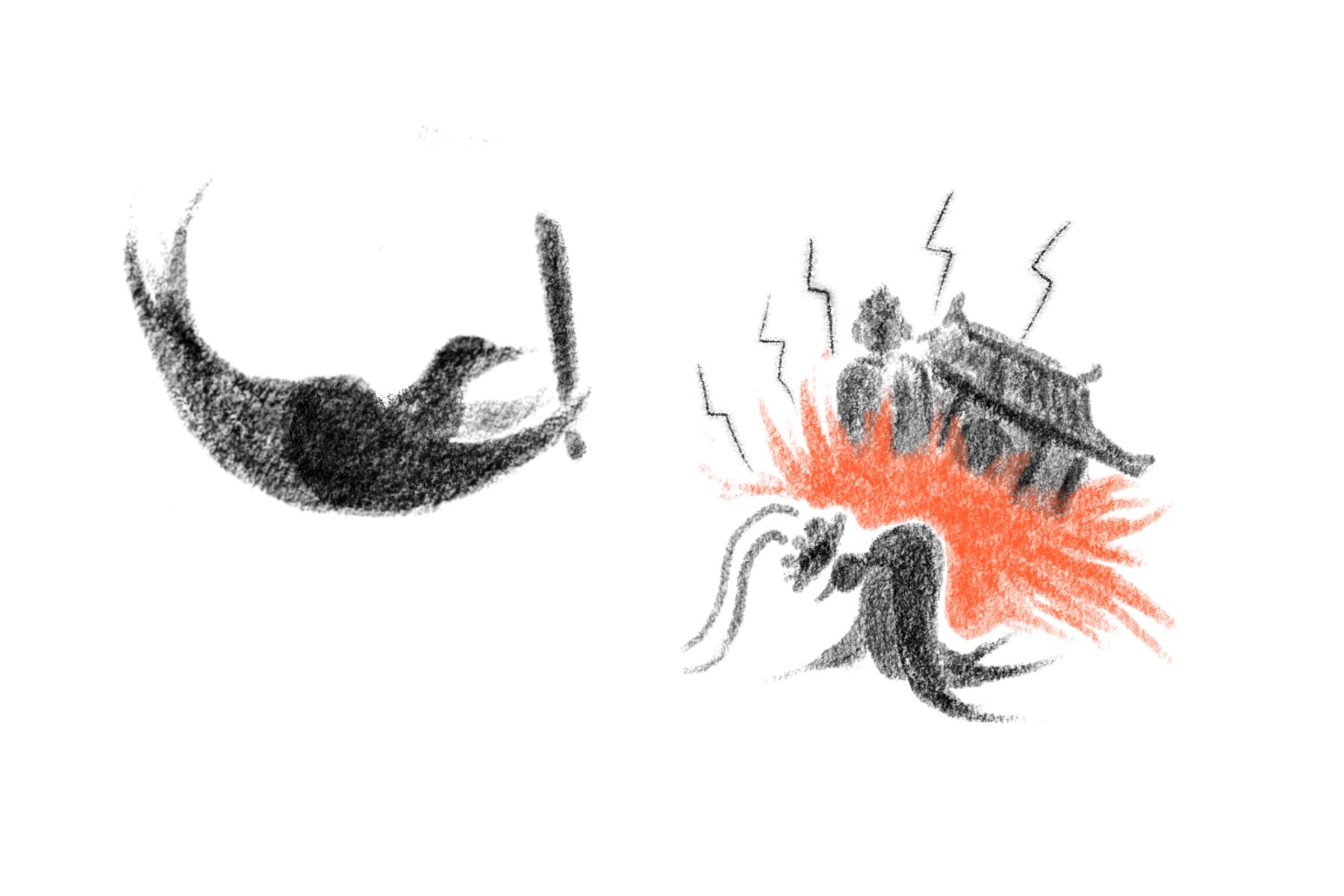
So when the "Reform and Opening Up" began in the late 1970s 3, it wasn't a calm transition. It was a flood of the outside world rushing into this vacuum. Modernity was not a philosophy to be debated; it was the only perceived antidote to a century of humiliation and a decade of self-destruction. And this modernity came as a pre-packaged kit, imported from the West and Japan: its aesthetics, its business models, and its definition of "good design" were adopted whole, not as a choice, but as an imperative for economic survival.
So when the "Reform and Opening Up" began in the late 1970s 3, it wasn't a calm transition. It was a flood of the outside world rushing into this vacuum. Modernity was not a philosophy to be debated; it was the only perceived antidote to a century of humiliation and a decade of self-destruction. And this modernity came as a pre-packaged kit, imported from the West and Japan: its aesthetics, its business models, and its definition of "good design" were adopted whole, not as a choice, but as an imperative for economic survival.
So when the "Reform and Opening Up" began in the late 1970s 3, it wasn't a calm transition. It was a flood of the outside world rushing into this vacuum. Modernity was not a philosophy to be debated; it was the only perceived antidote to a century of humiliation and a decade of self-destruction. And this modernity came as a pre-packaged kit, imported from the West and Japan: its aesthetics, its business models, and its definition of "good design" were adopted whole, not as a choice, but as an imperative for economic survival.
So when the "Reform and Opening Up" began in the late 1970s 3, it wasn't a calm transition. It was a flood of the outside world rushing into this vacuum. Modernity was not a philosophy to be debated; it was the only perceived antidote to a century of humiliation and a decade of self-destruction. And this modernity came as a pre-packaged kit, imported from the West and Japan: its aesthetics, its business models, and its definition of "good design" were adopted whole, not as a choice, but as an imperative for economic survival.
3
That's a Great Idea! We'll Ship It Next Week.
The "Opening Up" wasn't just a flood of ideas; it was a flood of orders. As the global economy turned to China as its workshop, the defining logic of the nation became production. This logic was forged in the factory cities of the Pearl River Delta, and its core values were speed, volume, and cost.
For the domestic designer, this reality was, and still is, all-encompassing. The job was not to question what to make or why, but how fast it could be made. Design became a step, not a strategy. It was the final 3D model, the skin stretched over pre-sourced components, the rendering that needed to be sent to the toolmaker by the end of the day.
This environment gave rise to Shanzhai (山寨)4, or "pirate/ copycat culture." To Western eyes, pirate culture is simple theft. But on the factory floor, it is a brutal, high-speed evolutionary process. It's not just copying; it's iterating, hybridizing, and re-launching a competitor's product in weeks, not years. Why spend six months on user research when you can reverse-engineer a proven seller, add two new features, and have it on the market by next quarter? 5
3
That's a Great Idea! We'll Ship It Next Week.
The "Opening Up" wasn't just a flood of ideas; it was a flood of orders. As the global economy turned to China as its workshop, the defining logic of the nation became production. This logic was forged in the factory cities of the Pearl River Delta, and its core values were speed, volume, and cost.
For the domestic designer, this reality was, and still is, all-encompassing. The job was not to question what to make or why, but how fast it could be made. Design became a step, not a strategy. It was the final 3D model, the skin stretched over pre-sourced components, the rendering that needed to be sent to the toolmaker by the end of the day.
This environment gave rise to Shanzhai (山寨)4, or "pirate/ copycat culture." To Western eyes, pirate culture is simple theft. But on the factory floor, it is a brutal, high-speed evolutionary process. It's not just copying; it's iterating, hybridizing, and re-launching a competitor's product in weeks, not years. Why spend six months on user research when you can reverse-engineer a proven seller, add two new features, and have it on the market by next quarter? 5
3
That's a Great Idea! We'll Ship It Next Week.
The "Opening Up" wasn't just a flood of ideas; it was a flood of orders. As the global economy turned to China as its workshop, the defining logic of the nation became production. This logic was forged in the factory cities of the Pearl River Delta, and its core values were speed, volume, and cost.
For the domestic designer, this reality was, and still is, all-encompassing. The job was not to question what to make or why, but how fast it could be made. Design became a step, not a strategy. It was the final 3D model, the skin stretched over pre-sourced components, the rendering that needed to be sent to the toolmaker by the end of the day.
This environment gave rise to Shanzhai (山寨)4, or "pirate/ copycat culture." To Western eyes, pirate culture is simple theft. But on the factory floor, it is a brutal, high-speed evolutionary process. It's not just copying; it's iterating, hybridizing, and re-launching a competitor's product in weeks, not years. Why spend six months on user research when you can reverse-engineer a proven seller, add two new features, and have it on the market by next quarter? 5
3
That's a Great Idea! We'll Ship It Next Week.
The "Opening Up" wasn't just a flood of ideas; it was a flood of orders. As the global economy turned to China as its workshop, the defining logic of the nation became production. This logic was forged in the factory cities of the Pearl River Delta, and its core values were speed, volume, and cost.
For the domestic designer, this reality was, and still is, all-encompassing. The job was not to question what to make or why, but how fast it could be made. Design became a step, not a strategy. It was the final 3D model, the skin stretched over pre-sourced components, the rendering that needed to be sent to the toolmaker by the end of the day.
This environment gave rise to Shanzhai (山寨)4, or "pirate/ copycat culture." To Western eyes, pirate culture is simple theft. But on the factory floor, it is a brutal, high-speed evolutionary process. It's not just copying; it's iterating, hybridizing, and re-launching a competitor's product in weeks, not years. Why spend six months on user research when you can reverse-engineer a proven seller, add two new features, and have it on the market by next quarter? 5
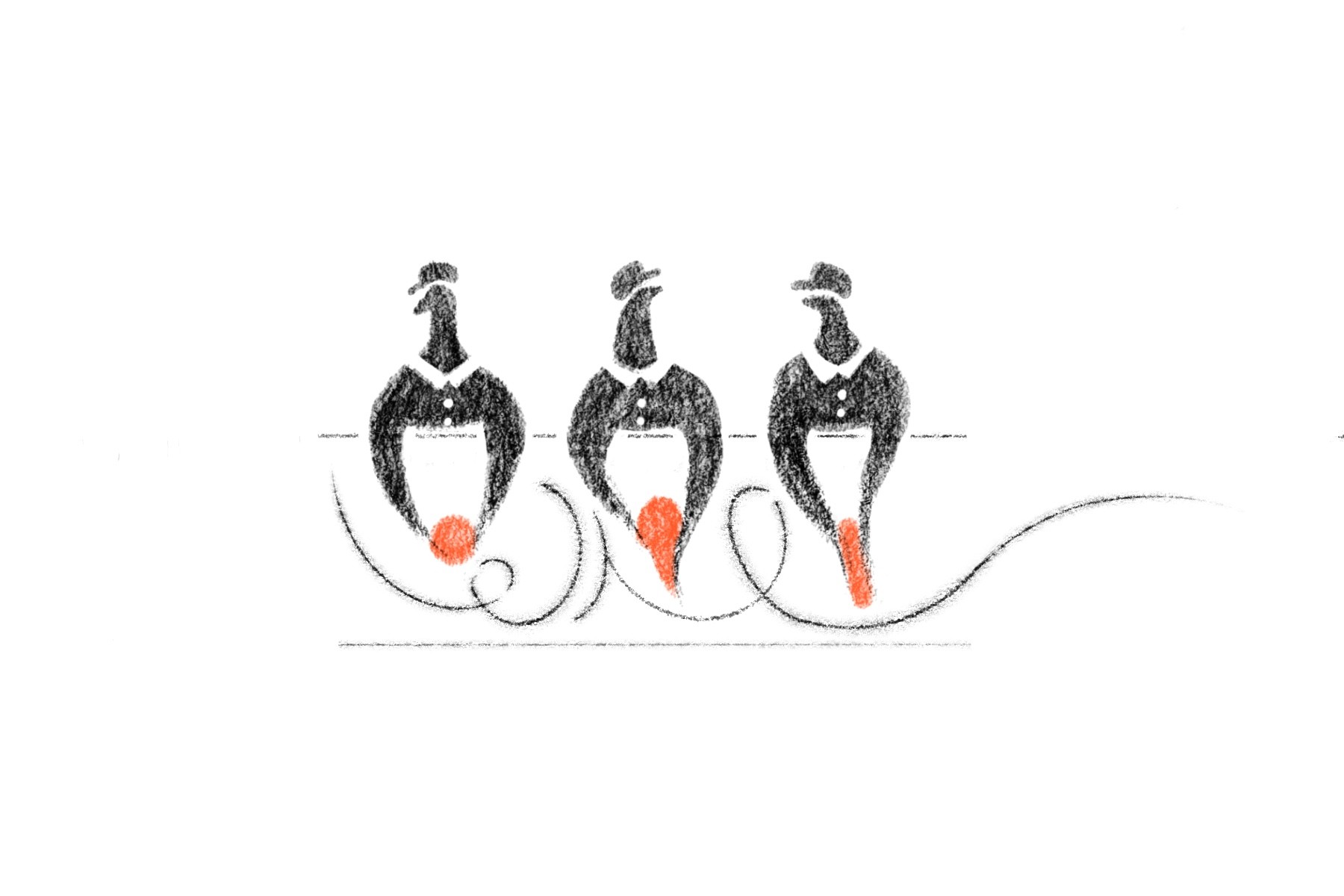
This system traps the domestic designer. Their value is measured in efficiency, not originality. The "good" designer is the one who can create a dozen viable concepts for a new Bluetooth speaker, all based on the market's current bestseller, in one afternoon. The manufacturer, in turn, is caught in a "low-margin trap," forced to compete on price, which further squeezes any budget for real research and development. 6
This created a culture of immense technical skill, incredible speed, and profound creative stagnation.
This system traps the domestic designer. Their value is measured in efficiency, not originality. The "good" designer is the one who can create a dozen viable concepts for a new Bluetooth speaker, all based on the market's current bestseller, in one afternoon. The manufacturer, in turn, is caught in a "low-margin trap," forced to compete on price, which further squeezes any budget for real research and development. This created a culture of immense technical skill, incredible speed, and profound creative stagnation. 6
This system traps the domestic designer. Their value is measured in efficiency, not originality. The "good" designer is the one who can create a dozen viable concepts for a new Bluetooth speaker, all based on the market's current bestseller, in one afternoon. The manufacturer, in turn, is caught in a "low-margin trap," forced to compete on price, which further squeezes any budget for real research and development. This created a culture of immense technical skill, incredible speed, and profound creative stagnation. 6
This system traps the domestic designer. Their value is measured in efficiency, not originality. The "good" designer is the one who can create a dozen viable concepts for a new Bluetooth speaker, all based on the market's current bestseller, in one afternoon. The manufacturer, in turn, is caught in a "low-margin trap," forced to compete on price, which further squeezes any budget for real research and development. This created a culture of immense technical skill, incredible speed, and profound creative stagnation. 6
4
The Gold-Plated Shortcut
The pirate system, for all its speed and market agility, had a critical flaw: it could not create prestige. It was stuck in the "low-margin trap," associated with cheap and copycat. This created a new national anxiety. How could China prove to the world, and to itself, that it was no longer just the world's factory, but a center of innovation?
The answer came in the form of a small, shiny sticker.
The international design award, the Red Dot, the iF, the IDEA, became the perfect solution. It was a gold-plated shortcut to legitimacy. An award, judged and bestowed by a Western jury, was an external, objective stamp of "good design." It was the fastest way to launder a pirate reputation into one of global prestige. What began as a marketing tactic for a few ambitious companies quickly metastasized into a national obsession, a systemic-level engine that would warp the incentives of the entire Chinese design ecosystem.
4
The Gold-Plated Shortcut
The pirate system, for all its speed and market agility, had a critical flaw: it could not create prestige. It was stuck in the "low-margin trap," associated with cheap and copycat. This created a new national anxiety. How could China prove to the world, and to itself, that it was no longer just the world's factory, but a center of innovation?
The answer came in the form of a small, shiny sticker.
The international design award, the Red Dot, the iF, the IDEA, became the perfect solution. It was a gold-plated shortcut to legitimacy. An award, judged and bestowed by a Western jury, was an external, objective stamp of "good design." It was the fastest way to launder a pirate reputation into one of global prestige. What began as a marketing tactic for a few ambitious companies quickly metastasized into a national obsession, a systemic-level engine that would warp the incentives of the entire Chinese design ecosystem.
4
The Gold-Plated Shortcut
The pirate system, for all its speed and market agility, had a critical flaw: it could not create prestige. It was stuck in the "low-margin trap," associated with cheap and copycat. This created a new national anxiety. How could China prove to the world, and to itself, that it was no longer just the world's factory, but a center of innovation?
The answer came in the form of a small, shiny sticker.
The international design award, the Red Dot, the iF, the IDEA, became the perfect solution. It was a gold-plated shortcut to legitimacy. An award, judged and bestowed by a Western jury, was an external, objective stamp of "good design." It was the fastest way to launder a pirate reputation into one of global prestige. What began as a marketing tactic for a few ambitious companies quickly metastasized into a national obsession, a systemic-level engine that would warp the incentives of the entire Chinese design ecosystem.
4
The Gold-Plated Shortcut
The pirate system, for all its speed and market agility, had a critical flaw: it could not create prestige. It was stuck in the "low-margin trap," associated with cheap and copycat. This created a new national anxiety. How could China prove to the world, and to itself, that it was no longer just the world's factory, but a center of innovation?
The answer came in the form of a small, shiny sticker.
The international design award, the Red Dot, the iF, the IDEA, became the perfect solution. It was a gold-plated shortcut to legitimacy. An award, judged and bestowed by a Western jury, was an external, objective stamp of "good design." It was the fastest way to launder a pirate reputation into one of global prestige. What began as a marketing tactic for a few ambitious companies quickly metastasized into a national obsession, a systemic-level engine that would warp the incentives of the entire Chinese design ecosystem.

The New Brief: "Make It Look Like a Winner"
For the individual manufacturer, the logic was simple. An award was a marketing tool, a justification for a higher price point. That red sticker on the box allowed a product to stand out in the hyper-competitive electronics markets of Huaqiangbei and, more importantly, on the global stage of Amazon. This created a new design brief: "design for the jury."
An entire sub-industry of “award-consulting" agencies emerged, promising to help companies package their products for submission. The design process was no longer about solving the real, messy problems of a user; it was about reverse-engineering the aesthetic preferences of a jury in Germany. This is why, as I observed, so much of this "celebrated" design looks like it came from Stockholm or Berlin. The sleek, minimalist, anodized aluminum object became the correct answer. It was a universal, globally legible aesthetic that was, in reality, a specific Western aesthetic.
This is, in effect, an act of aesthetic surrender. Instead of copying a competitor's product, studios began copying the aesthetic of award-winning design. The incentive was not to find an authentic, culturally-specific design language, but to find the visual formula most likely to win. The Western Aspiration identified in my research became the dominant brief. Design consultancies now measure their success not by the market impact of their products, but by the number of awards they win per year. It has become the primary currency of reputation, trapping the industry in a new feedback loop: create Western-style products to win Western awards, which in turn reinforces the idea that "good design" is Western design.
The New Brief: "Make It Look Like a Winner"
For the individual manufacturer, the logic was simple. An award was a marketing tool, a justification for a higher price point. That red sticker on the box allowed a product to stand out in the hyper-competitive electronics markets of Huaqiangbei and, more importantly, on the global stage of Amazon. This created a new design brief: "design for the jury."
An entire sub-industry of “award-consulting" agencies emerged, promising to help companies package their products for submission. The design process was no longer about solving the real, messy problems of a user; it was about reverse-engineering the aesthetic preferences of a jury in Germany. This is why, as I observed, so much of this "celebrated" design looks like it came from Stockholm or Berlin. The sleek, minimalist, anodized aluminum object became the correct answer. It was a universal, globally legible aesthetic that was, in reality, a specific Western aesthetic.
This is, in effect, an act of aesthetic surrender. Instead of copying a competitor's product, studios began copying the aesthetic of award-winning design. The incentive was not to find an authentic, culturally-specific design language, but to find the visual formula most likely to win. The Western Aspiration identified in my research became the dominant brief. Design consultancies now measure their success not by the market impact of their products, but by the number of awards they win per year. It has become the primary currency of reputation, trapping the industry in a new feedback loop: create Western-style products to win Western awards, which in turn reinforces the idea that "good design" is Western design.
The New Brief: "Make It Look Like a Winner"
For the individual manufacturer, the logic was simple. An award was a marketing tool, a justification for a higher price point. That red sticker on the box allowed a product to stand out in the hyper-competitive electronics markets of Huaqiangbei and, more importantly, on the global stage of Amazon. This created a new design brief: "design for the jury."
An entire sub-industry of “award-consulting" agencies emerged, promising to help companies package their products for submission. The design process was no longer about solving the real, messy problems of a user; it was about reverse-engineering the aesthetic preferences of a jury in Germany. This is why, as I observed, so much of this "celebrated" design looks like it came from Stockholm or Berlin. The sleek, minimalist, anodized aluminum object became the correct answer. It was a universal, globally legible aesthetic that was, in reality, a specific Western aesthetic.
This is, in effect, an act of aesthetic surrender. Instead of copying a competitor's product, studios began copying the aesthetic of award-winning design. The incentive was not to find an authentic, culturally-specific design language, but to find the visual formula most likely to win. The Western Aspiration identified in my research became the dominant brief. Design consultancies now measure their success not by the market impact of their products, but by the number of awards they win per year. It has become the primary currency of reputation, trapping the industry in a new feedback loop: create Western-style products to win Western awards, which in turn reinforces the idea that "good design" is Western design.
The New Brief: "Make It Look Like a Winner"
For the individual manufacturer, the logic was simple. An award was a marketing tool, a justification for a higher price point. That red sticker on the box allowed a product to stand out in the hyper-competitive electronics markets of Huaqiangbei and, more importantly, on the global stage of Amazon. This created a new design brief: "design for the jury."
An entire sub-industry of “award-consulting" agencies emerged, promising to help companies package their products for submission. The design process was no longer about solving the real, messy problems of a user; it was about reverse-engineering the aesthetic preferences of a jury in Germany. This is why, as I observed, so much of this "celebrated" design looks like it came from Stockholm or Berlin. The sleek, minimalist, anodized aluminum object became the correct answer. It was a universal, globally legible aesthetic that was, in reality, a specific Western aesthetic.
This is, in effect, an act of aesthetic surrender. Instead of copying a competitor's product, studios began copying the aesthetic of award-winning design. The incentive was not to find an authentic, culturally-specific design language, but to find the visual formula most likely to win. The Western Aspiration identified in my research became the dominant brief. Design consultancies now measure their success not by the market impact of their products, but by the number of awards they win per year. It has become the primary currency of reputation, trapping the industry in a new feedback loop: create Western-style products to win Western awards, which in turn reinforces the idea that "good design" is Western design.
The New Policy: "We Pay for Winners"
This pursuit of prestige was not just a corporate strategy; it became a top-down national imperative. The Chinese government, in its ambition to transition the economy from "Made in China" to "Designed in China," needed a metric. How do you quantify "good design"? The answer, once again, was awards.
Local governments, especially in manufacturing hubs like Shenzhen and Hangzhou, began offering massive cash subsidies for winning. A Red Dot "Best of the Best" award might come with a government check for 50,000 RMB, 100,000 RMB, or even more. Design parks and industrial zones began advertising their success by listing the total number of awards won by their tenants. It became a Key Performance Indicator (KPI) for national creative progress.7
This system has profound, distorting effects. It turns design awards into a state-subsidized industry. It incentivizes every company, from tech giants to small-time manufacturers, to chase these prizes, not necessarily for the sake of genuine innovation, but for the direct cash bonus and the political favor that comes with it.
This top-down validation creates a feedback loop with the industry. The government sees the climbing award-count as proof that its "Designed in China" policy is working. Companies see the subsidies as a validation of their "design for the jury" strategy. Everyone is winning, except for the one thing being left behind: the development of an authentic, culturally-rooted design identity. The state, in its attempt to buy a reputation for quality, is actively subsidizing the erasure of its own cultural voice, mistaking "International Alignment" for genuine innovation.
The New Policy: "We Pay for Winners"
This pursuit of prestige was not just a corporate strategy; it became a top-down national imperative. The Chinese government, in its ambition to transition the economy from "Made in China" to "Designed in China," needed a metric. How do you quantify "good design"? The answer, once again, was awards.
Local governments, especially in manufacturing hubs like Shenzhen and Hangzhou, began offering massive cash subsidies for winning. A Red Dot "Best of the Best" award might come with a government check for 50,000 RMB, 100,000 RMB, or even more. Design parks and industrial zones began advertising their success by listing the total number of awards won by their tenants. It became a Key Performance Indicator (KPI) for national creative progress.7
This system has profound, distorting effects. It turns design awards into a state-subsidized industry. It incentivizes every company, from tech giants to small-time manufacturers, to chase these prizes, not necessarily for the sake of genuine innovation, but for the direct cash bonus and the political favor that comes with it.
This top-down validation creates a feedback loop with the industry. The government sees the climbing award-count as proof that its "Designed in China" policy is working. Companies see the subsidies as a validation of their "design for the jury" strategy. Everyone is winning, except for the one thing being left behind: the development of an authentic, culturally-rooted design identity. The state, in its attempt to buy a reputation for quality, is actively subsidizing the erasure of its own cultural voice, mistaking "International Alignment" for genuine innovation.
The New Policy: "We Pay for Winners"
This pursuit of prestige was not just a corporate strategy; it became a top-down national imperative. The Chinese government, in its ambition to transition the economy from "Made in China" to "Designed in China," needed a metric. How do you quantify "good design"? The answer, once again, was awards.
Local governments, especially in manufacturing hubs like Shenzhen and Hangzhou, began offering massive cash subsidies for winning. A Red Dot "Best of the Best" award might come with a government check for 50,000 RMB, 100,000 RMB, or even more. Design parks and industrial zones began advertising their success by listing the total number of awards won by their tenants. It became a Key Performance Indicator (KPI) for national creative progress.7
This system has profound, distorting effects. It turns design awards into a state-subsidized industry. It incentivizes every company, from tech giants to small-time manufacturers, to chase these prizes, not necessarily for the sake of genuine innovation, but for the direct cash bonus and the political favor that comes with it.
This top-down validation creates a feedback loop with the industry. The government sees the climbing award-count as proof that its "Designed in China" policy is working. Companies see the subsidies as a validation of their "design for the jury" strategy. Everyone is winning, except for the one thing being left behind: the development of an authentic, culturally-rooted design identity. The state, in its attempt to buy a reputation for quality, is actively subsidizing the erasure of its own cultural voice, mistaking "International Alignment" for genuine innovation.
The New Policy: "We Pay for Winners"
This pursuit of prestige was not just a corporate strategy; it became a top-down national imperative. The Chinese government, in its ambition to transition the economy from "Made in China" to "Designed in China," needed a metric. How do you quantify "good design"? The answer, once again, was awards.
Local governments, especially in manufacturing hubs like Shenzhen and Hangzhou, began offering massive cash subsidies for winning. A Red Dot "Best of the Best" award might come with a government check for 50,000 RMB, 100,000 RMB, or even more. Design parks and industrial zones began advertising their success by listing the total number of awards won by their tenants. It became a Key Performance Indicator (KPI) for national creative progress.7
This system has profound, distorting effects. It turns design awards into a state-subsidized industry. It incentivizes every company, from tech giants to small-time manufacturers, to chase these prizes, not necessarily for the sake of genuine innovation, but for the direct cash bonus and the political favor that comes with it.
This top-down validation creates a feedback loop with the industry. The government sees the climbing award-count as proof that its "Designed in China" policy is working. Companies see the subsidies as a validation of their "design for the jury" strategy. Everyone is winning, except for the one thing being left behind: the development of an authentic, culturally-rooted design identity. The state, in its attempt to buy a reputation for quality, is actively subsidizing the erasure of its own cultural voice, mistaking "International Alignment" for genuine innovation.
The New Curriculum: "How to Churn Out Winners"
This systemic award-chasing logic trickles all the way down to the very foundation: the design school. If the industry's most prestigious currency is awards, and the government is subsidizing this currency, then the purpose of a design education becomes, by default, to train students to win them. This is justified by a single metric: Employability.
For students, the design education experience is all-consuming. "Every day is a competition," one student told me. The curriculum itself is hijacked. Classes are treated as a formality, and all energy is funneled into the competition proposal. The justifications for this are thin; students are promised "experience" from teachers who often have little of their own to offer. In some cases, this is actively exploitative, with professors even forcing students to execute their own design ideas, leaving students overworked, anxious, and without learning any real methodology.
The result is a culture of formulaic work, where students waste time polishing a design to "look professional" for an international jury. The real tragedy is what gets lost. As one student put it, "that little spark of our own creativity is fiercely extinguished." Personal thinking is crushed by the demand to conform to a globally-defined, "correct”, modern and commercialized aesthetic.
The New Curriculum: "How to Churn Out Winners"
This systemic award-chasing logic trickles all the way down to the very foundation: the design school. If the industry's most prestigious currency is awards, and the government is subsidizing this currency, then the purpose of a design education becomes, by default, to train students to win them. This is justified by a single metric: Employability.
For students, the design education experience is all-consuming. "Every day is a competition," one student told me. The curriculum itself is hijacked. Classes are treated as a formality, and all energy is funneled into the competition proposal. The justifications for this are thin; students are promised "experience" from teachers who often have little of their own to offer. In some cases, this is actively exploitative, with professors even forcing students to execute their own design ideas, leaving students overworked, anxious, and without learning any real methodology.
The result is a culture of formulaic work, where students waste time polishing a design to "look professional" for an international jury. The real tragedy is what gets lost. As one student put it, "that little spark of our own creativity is fiercely extinguished." Personal thinking is crushed by the demand to conform to a globally-defined, "correct”, modern and commercialized aesthetic.
The New Curriculum: "How to Churn Out Winners"
This systemic award-chasing logic trickles all the way down to the very foundation: the design school. If the industry's most prestigious currency is awards, and the government is subsidizing this currency, then the purpose of a design education becomes, by default, to train students to win them. This is justified by a single metric: Employability.
For students, the design education experience is all-consuming. "Every day is a competition," one student told me. The curriculum itself is hijacked. Classes are treated as a formality, and all energy is funneled into the competition proposal. The justifications for this are thin; students are promised "experience" from teachers who often have little of their own to offer. In some cases, this is actively exploitative, with professors even forcing students to execute their own design ideas, leaving students overworked, anxious, and without learning any real methodology.
The result is a culture of formulaic work, where students waste time polishing a design to "look professional" for an international jury. The real tragedy is what gets lost. As one student put it, "that little spark of our own creativity is fiercely extinguished." Personal thinking is crushed by the demand to conform to a globally-defined, "correct”, modern and commercialized aesthetic.
The New Curriculum: "How to Churn Out Winners"
This systemic award-chasing logic trickles all the way down to the very foundation: the design school. If the industry's most prestigious currency is awards, and the government is subsidizing this currency, then the purpose of a design education becomes, by default, to train students to win them. This is justified by a single metric: Employability.
For students, the design education experience is all-consuming. "Every day is a competition," one student told me. The curriculum itself is hijacked. Classes are treated as a formality, and all energy is funneled into the competition proposal. The justifications for this are thin; students are promised "experience" from teachers who often have little of their own to offer. In some cases, this is actively exploitative, with professors even forcing students to execute their own design ideas, leaving students overworked, anxious, and without learning any real methodology.
The result is a culture of formulaic work, where students waste time polishing a design to "look professional" for an international jury. The real tragedy is what gets lost. As one student put it, "that little spark of our own creativity is fiercely extinguished." Personal thinking is crushed by the demand to conform to a globally-defined, "correct”, modern and commercialized aesthetic.
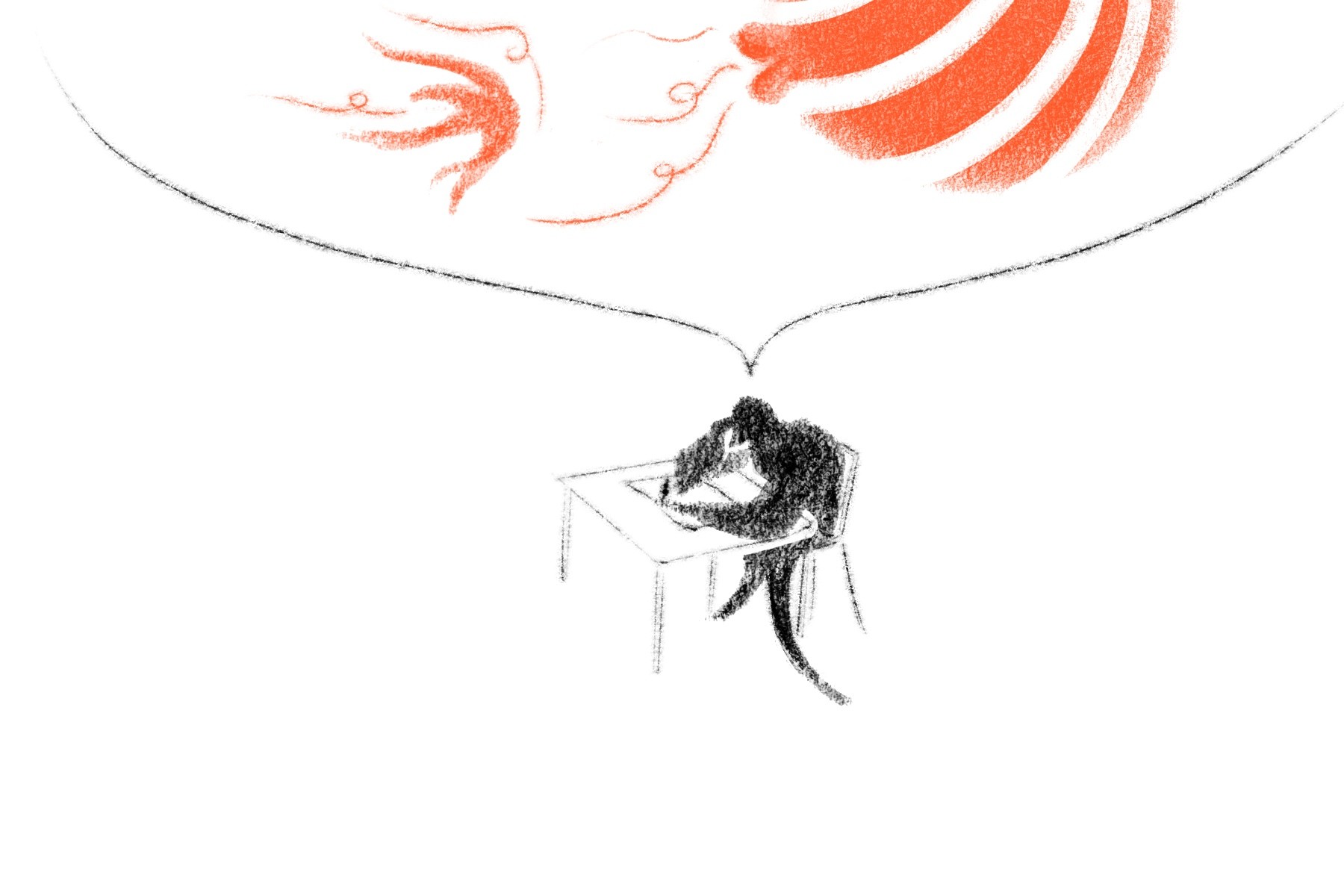
The design education system, which should be the one place for patient, critical research, has become a high-speed finishing school that cannot calm down and teach.
It succeeds at its goal of employability by this narrow definition, but at a devastating cost. It doesn't foster true aesthetic and design thinking education; it just churns out “Winners” or in other words: "art workers" , design laborers who are trained to follow trends, not to think for themselves.
The design education system, which should be the one place for patient, critical research, has become a high-speed finishing school that cannot calm down and teach.
It succeeds at its goal of employability by this narrow definition, but at a devastating cost. It doesn't foster true aesthetic and design thinking education; it just churns out “Winners” or in other words: "art workers" , design laborers who are trained to follow trends, not to think for themselves.
The design education system, which should be the one place for patient, critical research, has become a high-speed finishing school that cannot calm down and teach.
It succeeds at its goal of employability by this narrow definition, but at a devastating cost. It doesn't foster true aesthetic and design thinking education; it just churns out “Winners” or in other words: "art workers" , design laborers who are trained to follow trends, not to think for themselves.
The design education system, which should be the one place for patient, critical research, has become a high-speed finishing school that cannot calm down and teach.
It succeeds at its goal of employability by this narrow definition, but at a devastating cost. It doesn't foster true aesthetic and design thinking education; it just churns out “Winners” or in other words: "art workers" , design laborers who are trained to follow trends, not to think for themselves.
5
The Great (Digital) Wall
Domestic designers are being taught to speak a global visual language, but we are doing so in a vacuum, cut off from the global conversation they are trying to join. We must look at the huge communication barriers between China and the rest of the world. This division profoundly impacts both sides.
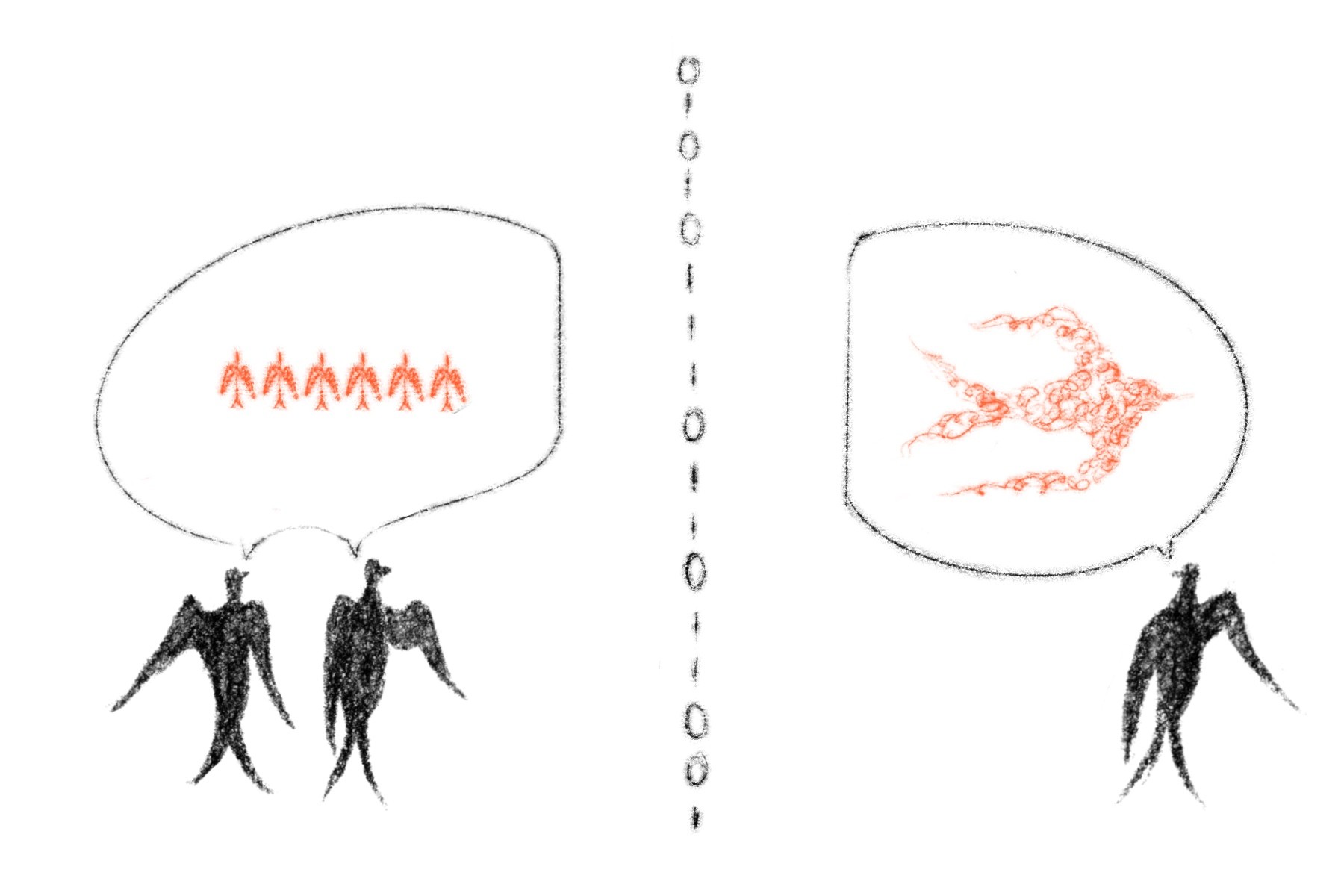
The most obvious barrier is the "Great Firewall," the government's legal and technical system that blocks access to Google, Twitter (X), YouTube, Instagram, and other global social media. This creates two parallel, isolated digital universes. The gap between the Chinese audience and the global audience is not just a gap; it is a wall.
This "Regulated Visibility" means Chinese designers and audiences receive a limited, filtered stream of information from the world. But just as importantly, the world looks at China through an equally narrow lens. With no access to the daily, nuanced conversations happening on platforms like Weibo or Xiaohongshu, the global audience is left with only two types of stories: official state media or viral, often bizarre, stereotypes.
This creates a vicious cycle. There is less opportunity for Chinese designers to express themselves authentically to the world, to practice that muscle of global communication, or to build a direct following. Instead, their global communication must pass through state-approved channels or the formal, sterile process of an award submission. It's an environment that starves authentic storytelling and, in its absence, allows stereotypes to flourish. In other words, we are training our designers to look global, but locking them in a room where they cannot truly speak.
5
The Great (Digital) Wall
Domestic designers are being taught to speak a global visual language, but we are doing so in a vacuum, cut off from the global conversation they are trying to join. We must look at the huge communication barriers between China and the rest of the world. This division profoundly impacts both sides.
The most obvious barrier is the "Great Firewall," the government's legal and technical system that blocks access to Google, Twitter (X), YouTube, Instagram, and other global social media. This creates two parallel, isolated digital universes. The gap between the Chinese audience and the global audience is not just a gap; it is a wall.
This "Regulated Visibility" means Chinese designers and audiences receive a limited, filtered stream of information from the world. But just as importantly, the world looks at China through an equally narrow lens. With no access to the daily, nuanced conversations happening on platforms like Weibo or Xiaohongshu, the global audience is left with only two types of stories: official state media or viral, often bizarre, stereotypes.
This creates a vicious cycle. There is less opportunity for Chinese designers to express themselves authentically to the world, to practice that muscle of global communication, or to build a direct following. Instead, their global communication must pass through state-approved channels or the formal, sterile process of an award submission. It's an environment that starves authentic storytelling and, in its absence, allows stereotypes to flourish. In other words, we are training our designers to look global, but locking them in a room where they cannot truly speak.
5
The Great (Digital) Wall
Domestic designers are being taught to speak a global visual language, but we are doing so in a vacuum, cut off from the global conversation they are trying to join. We must look at the huge communication barriers between China and the rest of the world. This division profoundly impacts both sides.
The most obvious barrier is the "Great Firewall," the government's legal and technical system that blocks access to Google, Twitter (X), YouTube, Instagram, and other global social media. This creates two parallel, isolated digital universes. The gap between the Chinese audience and the global audience is not just a gap; it is a wall.
This "Regulated Visibility" means Chinese designers and audiences receive a limited, filtered stream of information from the world. But just as importantly, the world looks at China through an equally narrow lens. With no access to the daily, nuanced conversations happening on platforms like Weibo or Xiaohongshu, the global audience is left with only two types of stories: official state media or viral, often bizarre, stereotypes.
This creates a vicious cycle. There is less opportunity for Chinese designers to express themselves authentically to the world, to practice that muscle of global communication, or to build a direct following. Instead, their global communication must pass through state-approved channels or the formal, sterile process of an award submission. It's an environment that starves authentic storytelling and, in its absence, allows stereotypes to flourish. In other words, we are training our designers to look global, but locking them in a room where they cannot truly speak.
5
The Great (Digital) Wall
Domestic designers are being taught to speak a global visual language, but we are doing so in a vacuum, cut off from the global conversation they are trying to join. We must look at the huge communication barriers between China and the rest of the world. This division profoundly impacts both sides.
The most obvious barrier is the "Great Firewall," the government's legal and technical system that blocks access to Google, Twitter (X), YouTube, Instagram, and other global social media. This creates two parallel, isolated digital universes. The gap between the Chinese audience and the global audience is not just a gap; it is a wall.
This "Regulated Visibility" means Chinese designers and audiences receive a limited, filtered stream of information from the world. But just as importantly, the world looks at China through an equally narrow lens. With no access to the daily, nuanced conversations happening on platforms like Weibo or Xiaohongshu, the global audience is left with only two types of stories: official state media or viral, often bizarre, stereotypes.
This creates a vicious cycle. There is less opportunity for Chinese designers to express themselves authentically to the world, to practice that muscle of global communication, or to build a direct following. Instead, their global communication must pass through state-approved channels or the formal, sterile process of an award submission. It's an environment that starves authentic storytelling and, in its absence, allows stereotypes to flourish. In other words, we are training our designers to look global, but locking them in a room where they cannot truly speak.
6
Globally Legible, Culturally Invisible
When you combine these three forces: the speed of the factory, the aesthetic mask of the award, and the silence of the Great Digital Wall, what is the result? It looks exactly like the system we've built. It is the logical, successful, and tragic outcome of all these forces combined. We see two main expressions of this system on the global stage.
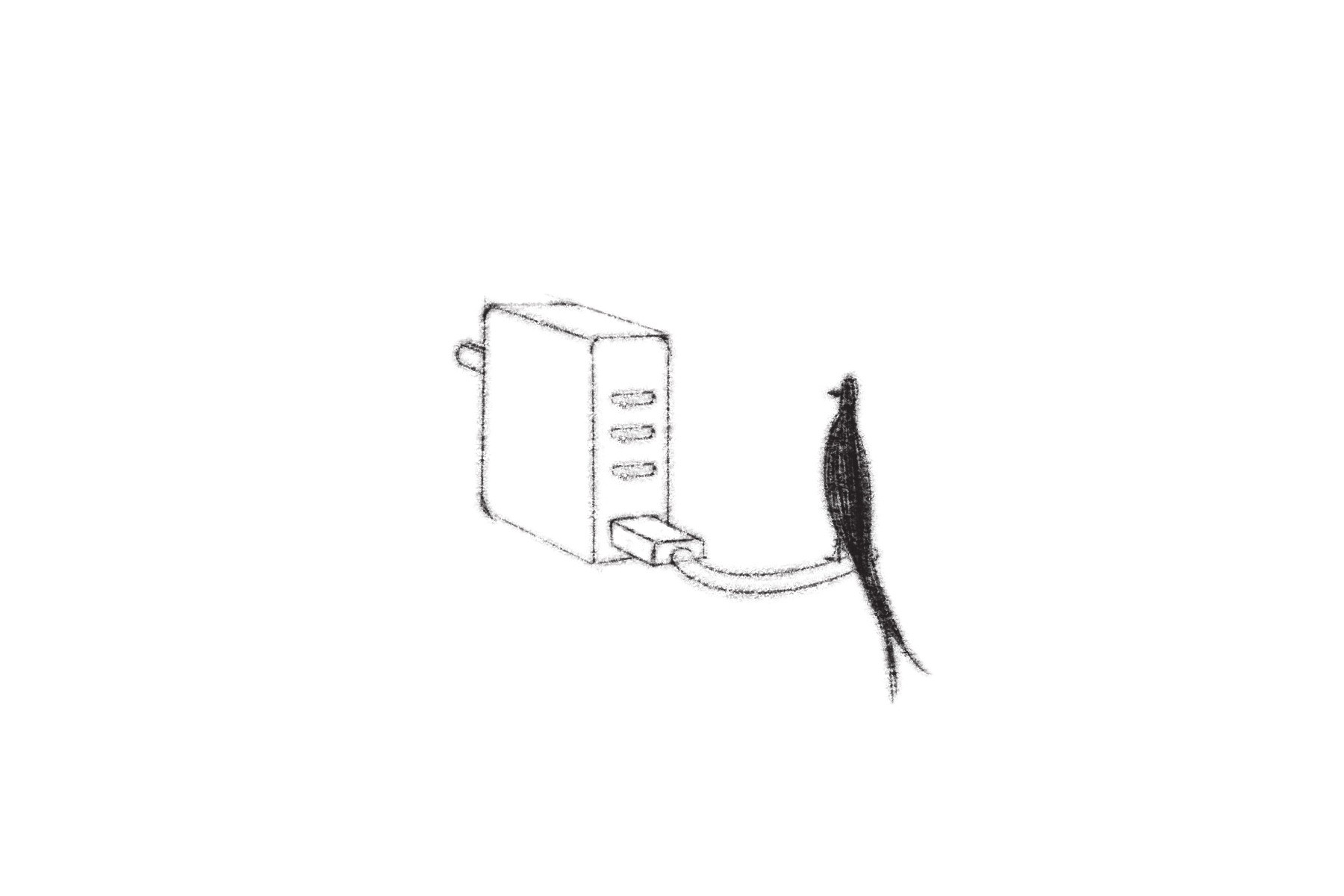
First is the success story of the "Gold-Plated Shortcut," like Anker. They make some of the most reliable chargers, battery packs, and cables in the world: a triumph of engineering and quality. They also win a slate of Red Dot awards. And what do they look like? They are sleek, minimalist, and rendered in a palette of black, white, and brushed metal.8 Anker's design language is the "act of aesthetic surrender" made manifest. Their products are universally legible and culturally invisible. No one buys an Anker charger and thinks "this is Chinese design"; they think "this is a good charger." This is the pinnacle of "International Alignment."
And on the other end, there is Temu. Temu is the old pirate logic scaled to the entire planet, weaponizing the "low-margin trap." Here, design is not just anonymous; it is irrelevant, a disposable trend. Temu is a key inhibitor in this system, as it actively damages any hope of a new perception. It doesn't just bypass cultural identity; it reinforces every negative stereotype of rapid, mass-produced, affordable, and proves you can build a multi-billion dollar empire on them.9
This leaves Chinese globalization with two tragic outcomes: the Anker model of aesthetic surrender or the Temu model of stereotype reinforcement. One is culturally invisible; the other is a cultural liability. Both are incredibly successful. And yet, both leave the "silence" I've been investigating completely intact. We have achieved globalization, but we have not left a distinct impression of "Chinese Design." The world can describe a good charger, or a cheap product, but it still cannot describe what Chinese design is.
6
Globally Legible, Culturally Invisible
When you combine these three forces: the speed of the factory, the aesthetic mask of the award, and the silence of the Great Digital Wall, what is the result? It looks exactly like the system we've built. It is the logical, successful, and tragic outcome of all these forces combined. We see two main expressions of this system on the global stage.
First is the success story of the "Gold-Plated Shortcut," like Anker. They make some of the most reliable chargers, battery packs, and cables in the world: a triumph of engineering and quality. They also win a slate of Red Dot awards. And what do they look like? They are sleek, minimalist, and rendered in a palette of black, white, and brushed metal.8 Anker's design language is the "act of aesthetic surrender" made manifest. Their products are universally legible and culturally invisible. No one buys an Anker charger and thinks "this is Chinese design"; they think "this is a good charger." This is the pinnacle of "International Alignment."
And on the other end, there is Temu. Temu is the old pirate logic scaled to the entire planet, weaponizing the "low-margin trap." Here, design is not just anonymous; it is irrelevant, a disposable trend. Temu is a key inhibitor in this system, as it actively damages any hope of a new perception. It doesn't just bypass cultural identity; it reinforces every negative stereotype of rapid, mass-produced, affordable, and proves you can build a multi-billion dollar empire on them.9
This leaves Chinese globalization with two tragic outcomes: the Anker model of aesthetic surrender or the Temu model of stereotype reinforcement. One is culturally invisible; the other is a cultural liability. Both are incredibly successful. And yet, both leave the "silence" I've been investigating completely intact. We have achieved globalization, but we have not left a distinct impression of "Chinese Design." The world can describe a good charger, or a cheap product, but it still cannot describe what Chinese design is.
6
Globally Legible, Culturally Invisible
When you combine these three forces: the speed of the factory, the aesthetic mask of the award, and the silence of the Great Digital Wall, what is the result? It looks exactly like the system we've built. It is the logical, successful, and tragic outcome of all these forces combined. We see two main expressions of this system on the global stage.
First is the success story of the "Gold-Plated Shortcut," like Anker. They make some of the most reliable chargers, battery packs, and cables in the world: a triumph of engineering and quality. They also win a slate of Red Dot awards. And what do they look like? They are sleek, minimalist, and rendered in a palette of black, white, and brushed metal.8 Anker's design language is the "act of aesthetic surrender" made manifest. Their products are universally legible and culturally invisible. No one buys an Anker charger and thinks "this is Chinese design"; they think "this is a good charger." This is the pinnacle of "International Alignment."
And on the other end, there is Temu. Temu is the old pirate logic scaled to the entire planet, weaponizing the "low-margin trap." Here, design is not just anonymous; it is irrelevant, a disposable trend. Temu is a key inhibitor in this system, as it actively damages any hope of a new perception. It doesn't just bypass cultural identity; it reinforces every negative stereotype of rapid, mass-produced, affordable, and proves you can build a multi-billion dollar empire on them.9
This leaves Chinese globalization with two tragic outcomes: the Anker model of aesthetic surrender or the Temu model of stereotype reinforcement. One is culturally invisible; the other is a cultural liability. Both are incredibly successful. And yet, both leave the "silence" I've been investigating completely intact. We have achieved globalization, but we have not left a distinct impression of "Chinese Design." The world can describe a good charger, or a cheap product, but it still cannot describe what Chinese design is.
6
Globally Legible, Culturally Invisible
When you combine these three forces: the speed of the factory, the aesthetic mask of the award, and the silence of the Great Digital Wall, what is the result? It looks exactly like the system we've built. It is the logical, successful, and tragic outcome of all these forces combined. We see two main expressions of this system on the global stage.
First is the success story of the "Gold-Plated Shortcut," like Anker. They make some of the most reliable chargers, battery packs, and cables in the world: a triumph of engineering and quality. They also win a slate of Red Dot awards. And what do they look like? They are sleek, minimalist, and rendered in a palette of black, white, and brushed metal.8 Anker's design language is the "act of aesthetic surrender" made manifest. Their products are universally legible and culturally invisible. No one buys an Anker charger and thinks "this is Chinese design"; they think "this is a good charger." This is the pinnacle of "International Alignment."
And on the other end, there is Temu. Temu is the old pirate logic scaled to the entire planet, weaponizing the "low-margin trap." Here, design is not just anonymous; it is irrelevant, a disposable trend. Temu is a key inhibitor in this system, as it actively damages any hope of a new perception. It doesn't just bypass cultural identity; it reinforces every negative stereotype of rapid, mass-produced, affordable, and proves you can build a multi-billion dollar empire on them.9
This leaves Chinese globalization with two tragic outcomes: the Anker model of aesthetic surrender or the Temu model of stereotype reinforcement. One is culturally invisible; the other is a cultural liability. Both are incredibly successful. And yet, both leave the "silence" I've been investigating completely intact. We have achieved globalization, but we have not left a distinct impression of "Chinese Design." The world can describe a good charger, or a cheap product, but it still cannot describe what Chinese design is.
7
Architects of an Identity
If the current Chinese model is trapped, how do other cultures build a global identity successfully? We don't need to look far. Japan and Scandinavia offer two powerful, and very different, blueprints. They built their design identities not by chasing a generic “global" aesthetic, but by turning their own specific, internal cultural problems into a universal virtue.
7
Architects of an Identity
If the current Chinese model is trapped, how do other cultures build a global identity successfully? We don't need to look far. Japan and Scandinavia offer two powerful, and very different, blueprints. They built their design identities not by chasing a generic “global" aesthetic, but by turning their own specific, internal cultural problems into a universal virtue.
7
Architects of an Identity
If the current Chinese model is trapped, how do other cultures build a global identity successfully? We don't need to look far. Japan and Scandinavia offer two powerful, and very different, blueprints. They built their design identities not by chasing a generic “global" aesthetic, but by turning their own specific, internal cultural problems into a universal virtue.
7
Architects of an Identity
If the current Chinese model is trapped, how do other cultures build a global identity successfully? We don't need to look far. Japan and Scandinavia offer two powerful, and very different, blueprints. They built their design identities not by chasing a generic “global" aesthetic, but by turning their own specific, internal cultural problems into a universal virtue.
The Lesson from Japan: Designing for a 4-Tatami Room
The global perception of Japanese design is a blend of high-tech precision (Sony, Nintendo) and serene, minimalist craft (Muji, Sori Yanagi). This identity wasn't a marketing strategy; it was a strategy for survival.
After its own period of post-war destruction and rebuilding, Japan faced a unique cultural problem: how to live a dignified, thoughtful, and high-quality life in some of the most densely populated, smallest urban spaces on Earth.
This is the central problem Japanese design solves. Its functionality is characterized by an obsessive, almost reverent attention to detail, compactness, and multi-functionality. This is a culture that mastered the art of the 4-tatami-mat room. Every object must earn its place. This is why a simple Muji pen is perfectly balanced. It's why a Uniqlo jacket folds into a tiny pouch. It's why a Sony Walkman (in its day) was a miracle of miniaturization. It's not just minimalism for looks; it's a deep cultural respect for space and care.11
The visual language flows from this. It embraces asymmetry and wabi-sabi: the beauty of imperfection and natural materials, as a humble antidote to a high-tech world. It eliminates all that is unnecessary, not just to be "clean," but to create a sense of peace in a cluttered environment. Their strategy was to look inward, blending their deep craft traditions and philosophies with new technology. The characteristic of their problem-solving is care. Every interaction, from the click of a button to the feel of a wooden handle, is considered, elevating a simple function into a moment of small joy.10
The Lesson from Japan: Designing for a 4-Tatami Room
The global perception of Japanese design is a blend of high-tech precision (Sony, Nintendo) and serene, minimalist craft (Muji, Sori Yanagi). This identity wasn't a marketing strategy; it was a strategy for survival.
After its own period of post-war destruction and rebuilding, Japan faced a unique cultural problem: how to live a dignified, thoughtful, and high-quality life in some of the most densely populated, smallest urban spaces on Earth.
This is the central problem Japanese design solves. Its functionality is characterized by an obsessive, almost reverent attention to detail, compactness, and multi-functionality. This is a culture that mastered the art of the 4-tatami-mat room. Every object must earn its place. This is why a simple Muji pen is perfectly balanced. It's why a Uniqlo jacket folds into a tiny pouch. It's why a Sony Walkman (in its day) was a miracle of miniaturization. It's not just minimalism for looks; it's a deep cultural respect for space and care.11
The visual language flows from this. It embraces asymmetry and wabi-sabi: the beauty of imperfection and natural materials, as a humble antidote to a high-tech world. It eliminates all that is unnecessary, not just to be "clean," but to create a sense of peace in a cluttered environment. Their strategy was to look inward, blending their deep craft traditions and philosophies with new technology. The characteristic of their problem-solving is care. Every interaction, from the click of a button to the feel of a wooden handle, is considered, elevating a simple function into a moment of small joy.10
The Lesson from Japan: Designing for a 4-Tatami Room
The global perception of Japanese design is a blend of high-tech precision (Sony, Nintendo) and serene, minimalist craft (Muji, Sori Yanagi). This identity wasn't a marketing strategy; it was a strategy for survival.
After its own period of post-war destruction and rebuilding, Japan faced a unique cultural problem: how to live a dignified, thoughtful, and high-quality life in some of the most densely populated, smallest urban spaces on Earth.
This is the central problem Japanese design solves. Its functionality is characterized by an obsessive, almost reverent attention to detail, compactness, and multi-functionality. This is a culture that mastered the art of the 4-tatami-mat room. Every object must earn its place. This is why a simple Muji pen is perfectly balanced. It's why a Uniqlo jacket folds into a tiny pouch. It's why a Sony Walkman (in its day) was a miracle of miniaturization. It's not just minimalism for looks; it's a deep cultural respect for space and care.11
The visual language flows from this. It embraces asymmetry and wabi-sabi: the beauty of imperfection and natural materials, as a humble antidote to a high-tech world. It eliminates all that is unnecessary, not just to be "clean," but to create a sense of peace in a cluttered environment. Their strategy was to look inward, blending their deep craft traditions and philosophies with new technology. The characteristic of their problem-solving is care. Every interaction, from the click of a button to the feel of a wooden handle, is considered, elevating a simple function into a moment of small joy.10
The Lesson from Japan: Designing for a 4-Tatami Room
The global perception of Japanese design is a blend of high-tech precision (Sony, Nintendo) and serene, minimalist craft (Muji, Sori Yanagi). This identity wasn't a marketing strategy; it was a strategy for survival.
After its own period of post-war destruction and rebuilding, Japan faced a unique cultural problem: how to live a dignified, thoughtful, and high-quality life in some of the most densely populated, smallest urban spaces on Earth.
This is the central problem Japanese design solves. Its functionality is characterized by an obsessive, almost reverent attention to detail, compactness, and multi-functionality. This is a culture that mastered the art of the 4-tatami-mat room. Every object must earn its place. This is why a simple Muji pen is perfectly balanced. It's why a Uniqlo jacket folds into a tiny pouch. It's why a Sony Walkman (in its day) was a miracle of miniaturization. It's not just minimalism for looks; it's a deep cultural respect for space and care.11
The visual language flows from this. It embraces asymmetry and wabi-sabi: the beauty of imperfection and natural materials, as a humble antidote to a high-tech world. It eliminates all that is unnecessary, not just to be "clean," but to create a sense of peace in a cluttered environment. Their strategy was to look inward, blending their deep craft traditions and philosophies with new technology. The characteristic of their problem-solving is care. Every interaction, from the click of a button to the feel of a wooden handle, is considered, elevating a simple function into a moment of small joy.10
The Lesson from Scandinavia: Designing for the Dark
The perception of Scandinavian design is just as clear: light woods, clean lines, warm textiles, and a feeling of hygge (coziness). This, too, was born from solving a specific, challenging cultural problem: the long, dark, and brutally cold winter.13
The central problem Scandinavian design solves is: How do you create a warm, happy, functional, and socially-connected life when you are trapped indoors for six months of the year?
Their design is a direct, functional response. The visual language is defined by light. Light colors: whites, grays, soft pastels, are used to maximize the little sunlight that exists. Natural, light woods like pine, birch, and ash are used to bring the feeling of nature indoors. Simplicity and clean lines prevent a cluttered, claustrophobic feeling.
The functionality is characterized by a "democratic" humanism. Born from mid-century social-democratic values, the strategy was that good, beautiful design should be for everyone, not just the elite. This is why IKEA's flat-pack furniture is a perfect expression of this philosophy. Its purpose is affordability and accessibility. But the most brilliant problem-solving is in its approach to comfort. Think of a Poul Henningsen PH lamp.12 It is not just a light; it is an object engineered to produce a specific, warm, glare-free, cozy glow, creating an inviting pool of light that encourages people to gather. The characteristic of their problem-solving is social well-being. It is designed as a tool against the cold and the dark, a way to build a warm, inviting refuge for family and community.
The Lesson from Scandinavia: Designing for the Dark
The perception of Scandinavian design is just as clear: light woods, clean lines, warm textiles, and a feeling of hygge (coziness). This, too, was born from solving a specific, challenging cultural problem: the long, dark, and brutally cold winter.13
The central problem Scandinavian design solves is: How do you create a warm, happy, functional, and socially-connected life when you are trapped indoors for six months of the year?
Their design is a direct, functional response. The visual language is defined by light. Light colors: whites, grays, soft pastels, are used to maximize the little sunlight that exists. Natural, light woods like pine, birch, and ash are used to bring the feeling of nature indoors. Simplicity and clean lines prevent a cluttered, claustrophobic feeling.
The functionality is characterized by a "democratic" humanism. Born from mid-century social-democratic values, the strategy was that good, beautiful design should be for everyone, not just the elite. This is why IKEA's flat-pack furniture is a perfect expression of this philosophy. Its purpose is affordability and accessibility. But the most brilliant problem-solving is in its approach to comfort. Think of a Poul Henningsen PH lamp.12 It is not just a light; it is an object engineered to produce a specific, warm, glare-free, cozy glow, creating an inviting pool of light that encourages people to gather. The characteristic of their problem-solving is social well-being. It is designed as a tool against the cold and the dark, a way to build a warm, inviting refuge for family and community.
The Lesson from Scandinavia: Designing for the Dark
The perception of Scandinavian design is just as clear: light woods, clean lines, warm textiles, and a feeling of hygge (coziness). This, too, was born from solving a specific, challenging cultural problem: the long, dark, and brutally cold winter.13
The central problem Scandinavian design solves is: How do you create a warm, happy, functional, and socially-connected life when you are trapped indoors for six months of the year?
Their design is a direct, functional response. The visual language is defined by light. Light colors: whites, grays, soft pastels, are used to maximize the little sunlight that exists. Natural, light woods like pine, birch, and ash are used to bring the feeling of nature indoors. Simplicity and clean lines prevent a cluttered, claustrophobic feeling.
The functionality is characterized by a "democratic" humanism. Born from mid-century social-democratic values, the strategy was that good, beautiful design should be for everyone, not just the elite. This is why IKEA's flat-pack furniture is a perfect expression of this philosophy. Its purpose is affordability and accessibility. But the most brilliant problem-solving is in its approach to comfort. Think of a Poul Henningsen PH lamp.12 It is not just a light; it is an object engineered to produce a specific, warm, glare-free, cozy glow, creating an inviting pool of light that encourages people to gather. The characteristic of their problem-solving is social well-being. It is designed as a tool against the cold and the dark, a way to build a warm, inviting refuge for family and community.
The Lesson from Scandinavia: Designing for the Dark
The perception of Scandinavian design is just as clear: light woods, clean lines, warm textiles, and a feeling of hygge (coziness). This, too, was born from solving a specific, challenging cultural problem: the long, dark, and brutally cold winter.13
The central problem Scandinavian design solves is: How do you create a warm, happy, functional, and socially-connected life when you are trapped indoors for six months of the year?
Their design is a direct, functional response. The visual language is defined by light. Light colors: whites, grays, soft pastels, are used to maximize the little sunlight that exists. Natural, light woods like pine, birch, and ash are used to bring the feeling of nature indoors. Simplicity and clean lines prevent a cluttered, claustrophobic feeling.
The functionality is characterized by a "democratic" humanism. Born from mid-century social-democratic values, the strategy was that good, beautiful design should be for everyone, not just the elite. This is why IKEA's flat-pack furniture is a perfect expression of this philosophy. Its purpose is affordability and accessibility. But the most brilliant problem-solving is in its approach to comfort. Think of a Poul Henningsen PH lamp.12 It is not just a light; it is an object engineered to produce a specific, warm, glare-free, cozy glow, creating an inviting pool of light that encourages people to gather. The characteristic of their problem-solving is social well-being. It is designed as a tool against the cold and the dark, a way to build a warm, inviting refuge for family and community.
Here is the lesson: a long-lasting, impactful design culture is not based on high-tech inventions or a hunt for awards. It is born from designers observing, analyzing, and solving the real problems of their own culture's daily life. The solutions may be small: a lamp that fights darkness, a pen that respects space, but they are so impactful, so unique, and so authentic to their "why" that they convey a design thinking that the whole world can understand, respect, and feel.
Here is the lesson: a long-lasting, impactful design culture is not based on high-tech inventions or a hunt for awards. It is born from designers observing, analyzing, and solving the real problems of their own culture's daily life. The solutions may be small: a lamp that fights darkness, a pen that respects space, but they are so impactful, so unique, and so authentic to their "why" that they convey a design thinking that the whole world can understand, respect, and feel.
Here is the lesson: a long-lasting, impactful design culture is not based on high-tech inventions or a hunt for awards. It is born from designers observing, analyzing, and solving the real problems of their own culture's daily life. The solutions may be small: a lamp that fights darkness, a pen that respects space, but they are so impactful, so unique, and so authentic to their "why" that they convey a design thinking that the whole world can understand, respect, and feel.
Here is the lesson: a long-lasting, impactful design culture is not based on high-tech inventions or a hunt for awards. It is born from designers observing, analyzing, and solving the real problems of their own culture's daily life. The solutions may be small: a lamp that fights darkness, a pen that respects space, but they are so impactful, so unique, and so authentic to their "why" that they convey a design thinking that the whole world can understand, respect, and feel.
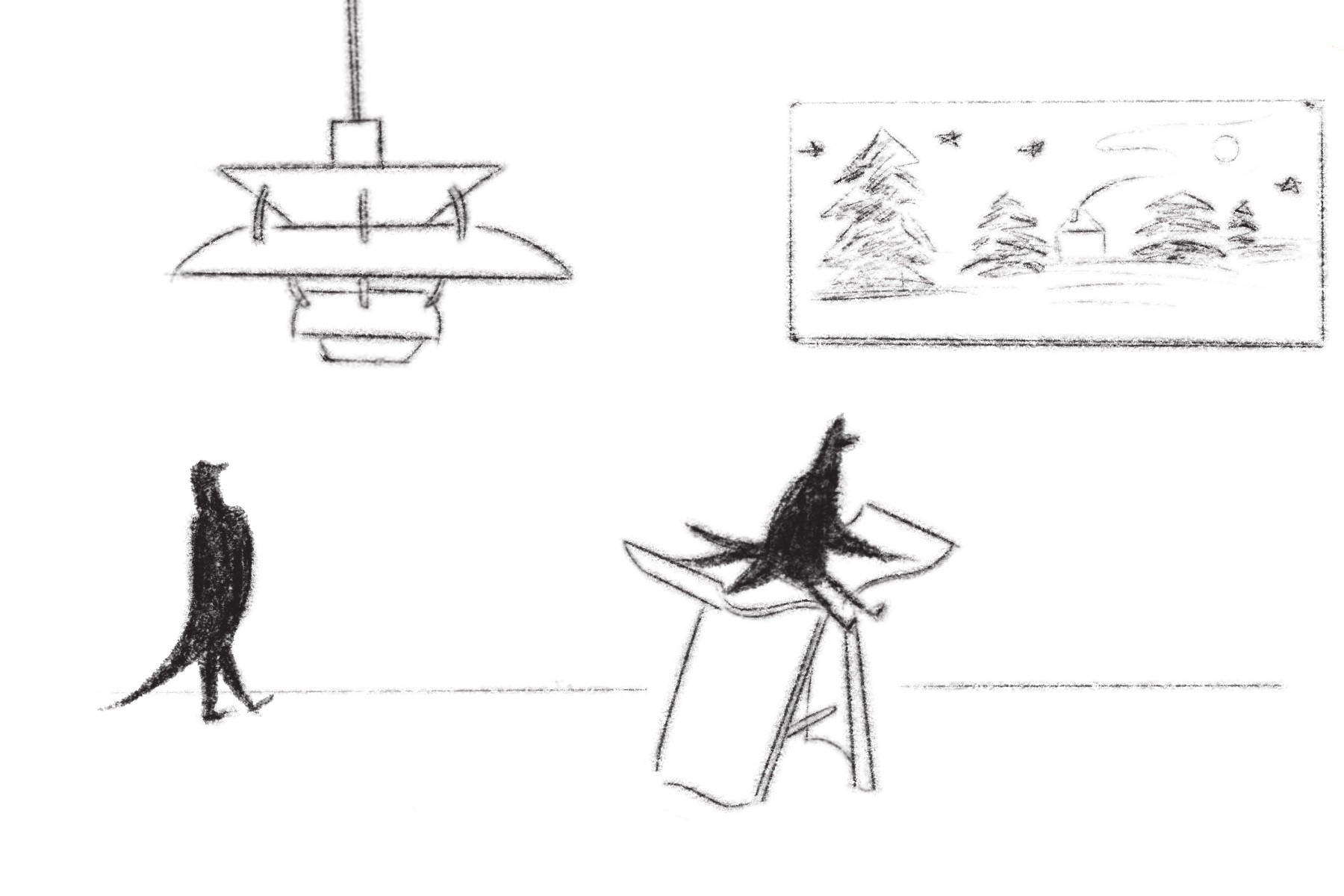
8
Finding Our "Why"
After all of this, where does it leave us? We have looked at the historical wounds, the traps of the factory, the allure of the gold-plated shortcut, and the lessons from our neighbors. We are left with a system that is incredibly good at optimizing for a metric: an award, a price point, but has failed to find its own meaning.
When we think about design and culture, it is easy to get stuck on the appearance, the visual design language. I admit this is a key element. But it is only the surface. It is the result of a deeper process, and we have become obsessed with copying the result without doing the work.
What I value most in design, what Japan and Scandinavia have shown us, is how it engages in the messy, beautiful reality of people's everyday lives. The true purpose of design is to solve human problems and elevate the human experience. The Japanese focus on small details is a form of care. The Scandinavian focus on home is a form of social well-being. There is always a reason, a "why," behind their design.
I believe Chinese designers have a reason, too. And it is not "to win an award."
It is time to stop looking outward for validation and to start looking inward for inspiration. We must stop asking, "What looks like a winner to a German jury?" and start asking, "What is the unique, lived-in problem of a Chinese life?"
Where is our "darkness," our "small space"? Is it in the beautiful chaos of the Shenzhen streets? Is it in the complex social bonds of a multi-generational family living in a high-rise? Is it in the pressure of a 9-9-6 work culture? Is it in the new rituals of a hyper-digital, hyper-fast, hyper-connected society?
My suggestion to the future Chinese designer is this: Forget the shortcut. Stop trying to be "globally legible" and start by being locally relevant. Fall in love with our own culture's problems. Observe them, analyze them, and solve them with such authenticity and care that the solution becomes a unique, powerful, and human story.
That is how we build an identity. That is how we break the silence. The purpose of design is not to create a perception that can be sold, but to find a purpose that can be felt. This investigation started with a question about Chinese design, but the answer is a universal one. So, to my fellow designers, not just in China but in every country:
What is your story? Why do you design?
8
Finding Our "Why"
After all of this, where does it leave us? We have looked at the historical wounds, the traps of the factory, the allure of the gold-plated shortcut, and the lessons from our neighbors. We are left with a system that is incredibly good at optimizing for a metric: an award, a price point, but has failed to find its own meaning.
When we think about design and culture, it is easy to get stuck on the appearance, the visual design language. I admit this is a key element. But it is only the surface. It is the result of a deeper process, and we have become obsessed with copying the result without doing the work.
What I value most in design, what Japan and Scandinavia have shown us, is how it engages in the messy, beautiful reality of people's everyday lives. The true purpose of design is to solve human problems and elevate the human experience. The Japanese focus on small details is a form of care. The Scandinavian focus on home is a form of social well-being. There is always a reason, a "why," behind their design.
I believe Chinese designers have a reason, too. And it is not "to win an award."
It is time to stop looking outward for validation and to start looking inward for inspiration. We must stop asking, "What looks like a winner to a German jury?" and start asking, "What is the unique, lived-in problem of a Chinese life?"
Where is our "darkness," our "small space"? Is it in the beautiful chaos of the Shenzhen streets? Is it in the complex social bonds of a multi-generational family living in a high-rise? Is it in the pressure of a 9-9-6 work culture? Is it in the new rituals of a hyper-digital, hyper-fast, hyper-connected society?
My suggestion to the future Chinese designer is this: Forget the shortcut. Stop trying to be "globally legible" and start by being locally relevant. Fall in love with our own culture's problems. Observe them, analyze them, and solve them with such authenticity and care that the solution becomes a unique, powerful, and human story.
That is how we build an identity. That is how we break the silence. The purpose of design is not to create a perception that can be sold, but to find a purpose that can be felt. This investigation started with a question about Chinese design, but the answer is a universal one. So, to my fellow designers, not just in China but in every country:
What is your story? Why do you design?
8
Finding Our "Why"
After all of this, where does it leave us? We have looked at the historical wounds, the traps of the factory, the allure of the gold-plated shortcut, and the lessons from our neighbors. We are left with a system that is incredibly good at optimizing for a metric: an award, a price point, but has failed to find its own meaning.
When we think about design and culture, it is easy to get stuck on the appearance, the visual design language. I admit this is a key element. But it is only the surface. It is the result of a deeper process, and we have become obsessed with copying the result without doing the work.
What I value most in design, what Japan and Scandinavia have shown us, is how it engages in the messy, beautiful reality of people's everyday lives. The true purpose of design is to solve human problems and elevate the human experience. The Japanese focus on small details is a form of care. The Scandinavian focus on home is a form of social well-being. There is always a reason, a "why," behind their design.
I believe Chinese designers have a reason, too. And it is not "to win an award."
It is time to stop looking outward for validation and to start looking inward for inspiration. We must stop asking, "What looks like a winner to a German jury?" and start asking, "What is the unique, lived-in problem of a Chinese life?"
Where is our "darkness," our "small space"? Is it in the beautiful chaos of the Shenzhen streets? Is it in the complex social bonds of a multi-generational family living in a high-rise? Is it in the pressure of a 9-9-6 work culture? Is it in the new rituals of a hyper-digital, hyper-fast, hyper-connected society?
My suggestion to the future Chinese designer is this: Forget the shortcut. Stop trying to be "globally legible" and start by being locally relevant. Fall in love with our own culture's problems. Observe them, analyze them, and solve them with such authenticity and care that the solution becomes a unique, powerful, and human story.
That is how we build an identity. That is how we break the silence. The purpose of design is not to create a perception that can be sold, but to find a purpose that can be felt. This investigation started with a question about Chinese design, but the answer is a universal one. So, to my fellow designers, not just in China but in every country:
What is your story? Why do you design?
8
Finding Our "Why"
After all of this, where does it leave us? We have looked at the historical wounds, the traps of the factory, the allure of the gold-plated shortcut, and the lessons from our neighbors. We are left with a system that is incredibly good at optimizing for a metric: an award, a price point, but has failed to find its own meaning.
When we think about design and culture, it is easy to get stuck on the appearance, the visual design language. I admit this is a key element. But it is only the surface. It is the result of a deeper process, and we have become obsessed with copying the result without doing the work.
What I value most in design, what Japan and Scandinavia have shown us, is how it engages in the messy, beautiful reality of people's everyday lives. The true purpose of design is to solve human problems and elevate the human experience. The Japanese focus on small details is a form of care. The Scandinavian focus on home is a form of social well-being. There is always a reason, a "why," behind their design.
I believe Chinese designers have a reason, too. And it is not "to win an award."
It is time to stop looking outward for validation and to start looking inward for inspiration. We must stop asking, "What looks like a winner to a German jury?" and start asking, "What is the unique, lived-in problem of a Chinese life?"
Where is our "darkness," our "small space"? Is it in the beautiful chaos of the Shenzhen streets? Is it in the complex social bonds of a multi-generational family living in a high-rise? Is it in the pressure of a 9-9-6 work culture? Is it in the new rituals of a hyper-digital, hyper-fast, hyper-connected society?
My suggestion to the future Chinese designer is this: Forget the shortcut. Stop trying to be "globally legible" and start by being locally relevant. Fall in love with our own culture's problems. Observe them, analyze them, and solve them with such authenticity and care that the solution becomes a unique, powerful, and human story.
That is how we build an identity. That is how we break the silence. The purpose of design is not to create a perception that can be sold, but to find a purpose that can be felt. This investigation started with a question about Chinese design, but the answer is a universal one. So, to my fellow designers, not just in China but in every country:
What is your story? Why do you design?
Reference
Metcalf, M. (2020, Fall). The national humiliation narrative: Dealing with the present by fixating on the past. Education About Asia, 25(2). https://www.asianstudies.org/publications/eaa/archives/the-national-humiliation-narrative-dealing-with-the-present-by-fixating-on-the-past/
Phillips, T. (2016, May 11). The Cultural Revolution: All you need to know about China's political convulsion. The Guardian. https://www.theguardian.com/world/2016/may/11/the-cultural-revolution-50-years-on-all-you-need-to-know-about-chinas-political-convulsion
Nair, S. (2022, September 22). 1978 reforms and the four modernisations. Organisation for Research on China and Asia. https://orcasia.org/1978-reforms-and-the-four-modernisations
Qin, Y., Song, L., Shi, L. H., & Tan, K. (2023). A global perspective on combating Shanzhai products: Cross‐cultural solutions. Thunderbird International Business Review, 65(4), 409–421. https://doi.org/10.1002/tie.22343
Hossain, M., & Creek, S. (2021, December 17). Crowdfunding conundrum: Western ideas and their Chinese copycats. California Management Review. https://cmr.berkeley.edu/2021/12/crowdfunding-conundrum-western-ideas-and-their-chinese-copycats/
Zhang, A., Zhang, Y., & Zhao, R. (2003). A study of the R&D efficiency and productivity of Chinese firms. Journal of Comparative Economics, 31(3), 444–464. https://www.monmouth.edu/directory/documents/2018/09/a-study-of-the-rd-efficiency-and-productivity-of-chinese-firms.pdf/
König, M., Song, Z. M., Storesletten, K., & Zilibotti, F. (2020). From imitation to innovation: Where is all that Chinese R&D going? (Working Paper No. 27404). National Bureau of Economic Research. https://www.nber.org/system/files/working_papers/w27404/revisions/w27404.rev0.pdf
Anker. (n.d.). Chargers for ads. Retrieved December 2, 2025, from https://www.anker.com/collections/chargers-for-ads
Temu. (n.d.). Temu. Retrieved December 2, 2025, from https://www.temu.com/
Gillespie, S. (2019, November 7). Using elements of Japanese aesthetics. Medium. https://medium.com/swlh/using-elements-of-japanese-aesthetics-ed0c2e07ec0e
Rikumo Journal. (2025, May 2). Japanese minimalism: Decluttering with functional design. https://journal.rikumo.com/journal/2025/5/2/japanese-minimalism-decluttering-with-functional-design
Lumens. (n.d.). Poul Henningsen. Retrieved December 2, 2025, from https://www.lumens.com/poul-henningsen/
Nordlys Furniture. (n.d.). Quels sont les principes de la décoration scandinave [What are the principles of Scandinavian decoration]. https://en.nordlysfurniture.com/de/blogs/style/principes-decoration-scandinave
Reference
Metcalf, M. (2020, Fall). The national humiliation narrative: Dealing with the present by fixating on the past. Education About Asia, 25(2). https://www.asianstudies.org/publications/eaa/archives/the-national-humiliation-narrative-dealing-with-the-present-by-fixating-on-the-past/
Phillips, T. (2016, May 11). The Cultural Revolution: All you need to know about China's political convulsion. The Guardian. https://www.theguardian.com/world/2016/may/11/the-cultural-revolution-50-years-on-all-you-need-to-know-about-chinas-political-convulsion
Nair, S. (2022, September 22). 1978 reforms and the four modernisations. Organisation for Research on China and Asia. https://orcasia.org/1978-reforms-and-the-four-modernisations
Qin, Y., Song, L., Shi, L. H., & Tan, K. (2023). A global perspective on combating Shanzhai products: Cross‐cultural solutions. Thunderbird International Business Review, 65(4), 409–421. https://doi.org/10.1002/tie.22343
Hossain, M., & Creek, S. (2021, December 17). Crowdfunding conundrum: Western ideas and their Chinese copycats. California Management Review. https://cmr.berkeley.edu/2021/12/crowdfunding-conundrum-western-ideas-and-their-chinese-copycats/
Zhang, A., Zhang, Y., & Zhao, R. (2003). A study of the R&D efficiency and productivity of Chinese firms. Journal of Comparative Economics, 31(3), 444–464. https://www.monmouth.edu/directory/documents/2018/09/a-study-of-the-rd-efficiency-and-productivity-of-chinese-firms.pdf/
König, M., Song, Z. M., Storesletten, K., & Zilibotti, F. (2020). From imitation to innovation: Where is all that Chinese R&D going? (Working Paper No. 27404). National Bureau of Economic Research. https://www.nber.org/system/files/working_papers/w27404/revisions/w27404.rev0.pdf
Anker. (n.d.). Chargers for ads. Retrieved December 2, 2025, from https://www.anker.com/collections/chargers-for-ads
Temu. (n.d.). Temu. Retrieved December 2, 2025, from https://www.temu.com/
Gillespie, S. (2019, November 7). Using elements of Japanese aesthetics. Medium. https://medium.com/swlh/using-elements-of-japanese-aesthetics-ed0c2e07ec0e
Rikumo Journal. (2025, May 2). Japanese minimalism: Decluttering with functional design. https://journal.rikumo.com/journal/2025/5/2/japanese-minimalism-decluttering-with-functional-design
Lumens. (n.d.). Poul Henningsen. Retrieved December 2, 2025, from https://www.lumens.com/poul-henningsen/
Nordlys Furniture. (n.d.). Quels sont les principes de la décoration scandinave [What are the principles of Scandinavian decoration]. https://en.nordlysfurniture.com/de/blogs/style/principes-decoration-scandinave
Reference
Metcalf, M. (2020, Fall). The national humiliation narrative: Dealing with the present by fixating on the past. Education About Asia, 25(2). https://www.asianstudies.org/publications/eaa/archives/the-national-humiliation-narrative-dealing-with-the-present-by-fixating-on-the-past/
Phillips, T. (2016, May 11). The Cultural Revolution: All you need to know about China's political convulsion. The Guardian. https://www.theguardian.com/world/2016/may/11/the-cultural-revolution-50-years-on-all-you-need-to-know-about-chinas-political-convulsion
Nair, S. (2022, September 22). 1978 reforms and the four modernisations. Organisation for Research on China and Asia. https://orcasia.org/1978-reforms-and-the-four-modernisations
Qin, Y., Song, L., Shi, L. H., & Tan, K. (2023). A global perspective on combating Shanzhai products: Cross‐cultural solutions. Thunderbird International Business Review, 65(4), 409–421. https://doi.org/10.1002/tie.22343
Hossain, M., & Creek, S. (2021, December 17). Crowdfunding conundrum: Western ideas and their Chinese copycats. California Management Review. https://cmr.berkeley.edu/2021/12/crowdfunding-conundrum-western-ideas-and-their-chinese-copycats/
Zhang, A., Zhang, Y., & Zhao, R. (2003). A study of the R&D efficiency and productivity of Chinese firms. Journal of Comparative Economics, 31(3), 444–464. https://www.monmouth.edu/directory/documents/2018/09/a-study-of-the-rd-efficiency-and-productivity-of-chinese-firms.pdf/
König, M., Song, Z. M., Storesletten, K., & Zilibotti, F. (2020). From imitation to innovation: Where is all that Chinese R&D going? (Working Paper No. 27404). National Bureau of Economic Research. https://www.nber.org/system/files/working_papers/w27404/revisions/w27404.rev0.pdf
Anker. (n.d.). Chargers for ads. Retrieved December 2, 2025, from https://www.anker.com/collections/chargers-for-ads
Temu. (n.d.). Temu. Retrieved December 2, 2025, from https://www.temu.com/
Gillespie, S. (2019, November 7). Using elements of Japanese aesthetics. Medium. https://medium.com/swlh/using-elements-of-japanese-aesthetics-ed0c2e07ec0e
Rikumo Journal. (2025, May 2). Japanese minimalism: Decluttering with functional design. https://journal.rikumo.com/journal/2025/5/2/japanese-minimalism-decluttering-with-functional-design
Lumens. (n.d.). Poul Henningsen. Retrieved December 2, 2025, from https://www.lumens.com/poul-henningsen/
Nordlys Furniture. (n.d.). Quels sont les principes de la décoration scandinave [What are the principles of Scandinavian decoration]. https://en.nordlysfurniture.com/de/blogs/style/principes-decoration-scandinave
Reference
Metcalf, M. (2020, Fall). The national humiliation narrative: Dealing with the present by fixating on the past. Education About Asia, 25(2). https://www.asianstudies.org/publications/eaa/archives/the-national-humiliation-narrative-dealing-with-the-present-by-fixating-on-the-past/
Phillips, T. (2016, May 11). The Cultural Revolution: All you need to know about China's political convulsion. The Guardian. https://www.theguardian.com/world/2016/may/11/the-cultural-revolution-50-years-on-all-you-need-to-know-about-chinas-political-convulsion
Nair, S. (2022, September 22). 1978 reforms and the four modernisations. Organisation for Research on China and Asia. https://orcasia.org/1978-reforms-and-the-four-modernisations
Qin, Y., Song, L., Shi, L. H., & Tan, K. (2023). A global perspective on combating Shanzhai products: Cross‐cultural solutions. Thunderbird International Business Review, 65(4), 409–421. https://doi.org/10.1002/tie.22343
Hossain, M., & Creek, S. (2021, December 17). Crowdfunding conundrum: Western ideas and their Chinese copycats. California Management Review. https://cmr.berkeley.edu/2021/12/crowdfunding-conundrum-western-ideas-and-their-chinese-copycats/
Zhang, A., Zhang, Y., & Zhao, R. (2003). A study of the R&D efficiency and productivity of Chinese firms. Journal of Comparative Economics, 31(3), 444–464. https://www.monmouth.edu/directory/documents/2018/09/a-study-of-the-rd-efficiency-and-productivity-of-chinese-firms.pdf/
König, M., Song, Z. M., Storesletten, K., & Zilibotti, F. (2020). From imitation to innovation: Where is all that Chinese R&D going? (Working Paper No. 27404). National Bureau of Economic Research. https://www.nber.org/system/files/working_papers/w27404/revisions/w27404.rev0.pdf
Anker. (n.d.). Chargers for ads. Retrieved December 2, 2025, from https://www.anker.com/collections/chargers-for-ads
Temu. (n.d.). Temu. Retrieved December 2, 2025, from https://www.temu.com/
Gillespie, S. (2019, November 7). Using elements of Japanese aesthetics. Medium. https://medium.com/swlh/using-elements-of-japanese-aesthetics-ed0c2e07ec0e
Rikumo Journal. (2025, May 2). Japanese minimalism: Decluttering with functional design. https://journal.rikumo.com/journal/2025/5/2/japanese-minimalism-decluttering-with-functional-design
Lumens. (n.d.). Poul Henningsen. Retrieved December 2, 2025, from https://www.lumens.com/poul-henningsen/
Nordlys Furniture. (n.d.). Quels sont les principes de la décoration scandinave [What are the principles of Scandinavian decoration]. https://en.nordlysfurniture.com/de/blogs/style/principes-decoration-scandinave